On 06/29 at 2 pm, I was notified about potential power outages. I was sitting in in the sweltering heat of 39˚C (about 102˚F) in front of a plug-in fan that was working its hardest to cool 5 sq. ft. of area. Owing to mild summers, two thirds of apartments in Washington state, including mine, don’t have air conditioning. I was lucky that my town did not experience outages. Neighboring cities like Spokane, WA and Lewiston, ID weren’t as lucky.
Because of the recent heat wave, the regional temperatures broke all-time records. Though summer temperatures in this region are usually in the seventies (˚F), they crossed the hundreds for 3 days straight. There was news of power cables melting, transformers in substations coming close to explosion, and highway infrastructure cracking under the strain of the extreme temperatures. A new system-wide peak electric load was observed. While there was sufficient power available, the surge in demand due to air conditioning loads and the limits on the grid infrastructure to cope with the increased temperature forced protective outages to prevent extensive system damage and longer outages. Individuals and companies took measures to reduce their load demand, which ameliorated the situation to a certain extent.
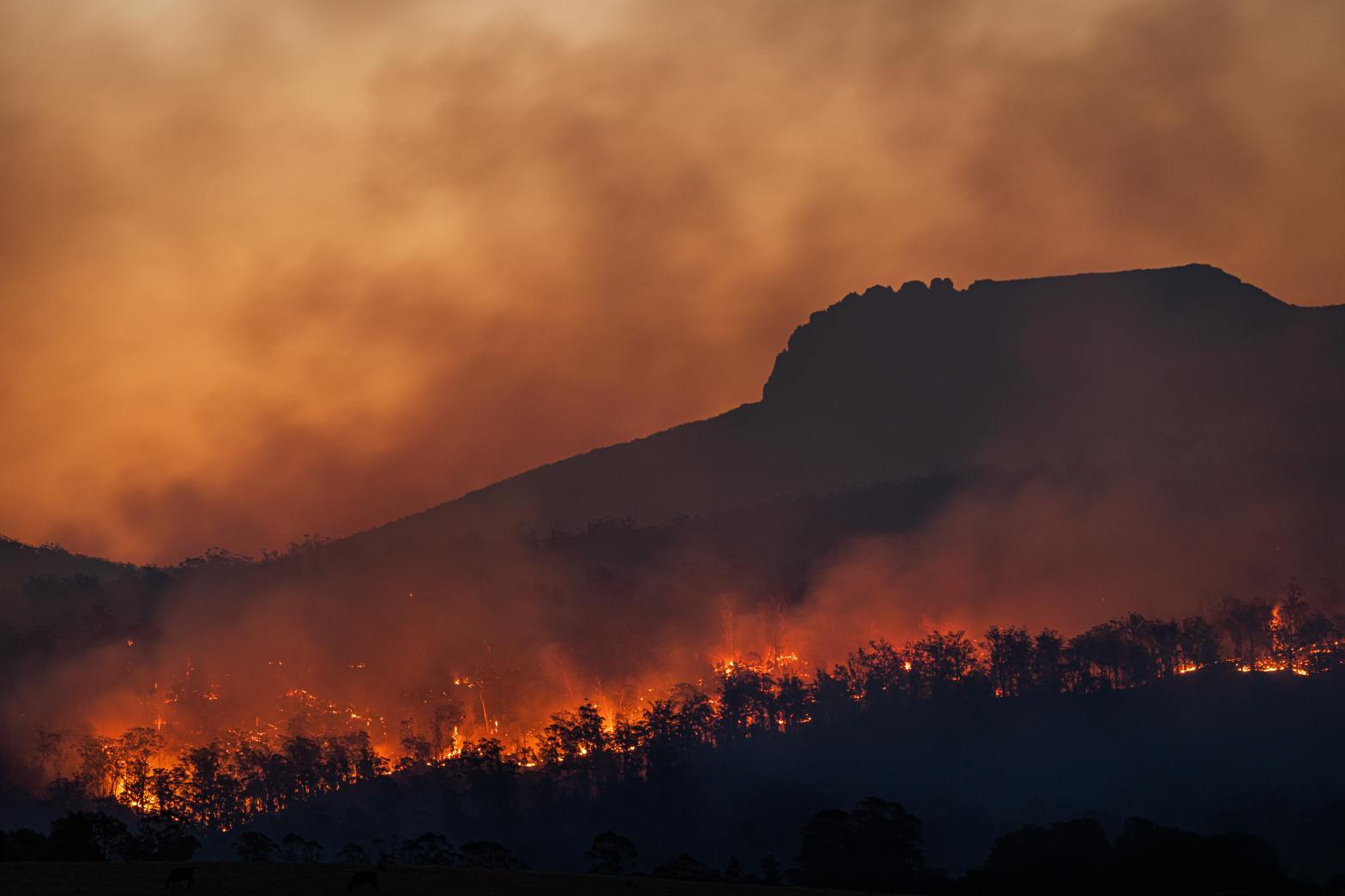
Wildfires accompanied the heat and the drought in the West. The wildfire safety policy of utility companies lead to longer outage times in the event of electrical faults. PG&E recently had to shut off power for 48,000 customers because of the rampant wildfires in the region. But while the West thirsted for rain, hurricanes and floods barraged the East proving that it wasn’t just a climate “change”, but climate imbalance.
In February, Texas faced a contrasting situation with the winter storm catching everyone by surprise. Among other reasons, the grid had not been winterized and multiple generating units were out of service for the winter, leading to rolling blackouts and so, Texans who were unequipped to endure the cold struggled to stay warm in the frigid weather.
Hundreds of people died the US and Canada as a result of the heat wave. Meanwhile, news of the recent earthquake in Haiti, floods in North Carolina, wildfires in Siberia, and hurricanes in Mexico have made headlines in just the past week. As the average global temperatures rise, natural disasters like these are expected to occur more frequently and claim many more lives. A recent study by the University of Washington attributed 1.7 million deaths worldwide to extreme temperatures in 2019!
Access to power in times like these is equivalent to saving lives whether it is to provide warmth in the cold, cooling in the heat, or even more literally to keep hospitals running as witnessed in Haiti with people desperately in need of treatment for the injuries resulting from the earthquake. And so, it is imperative that we reexamine the grid infrastructure and ensure its resiliency. However, it is not the ultimate solution for the problem we face.
We need to address the root cause of the problem. Because this is not just about us. The wildfires are destroying countless trees and the homes of animals. The drought has severely affected the populations of native fishes, birds, bees, and animals. We need to look out for those that are facing the consequences of our actions.
I play fictitious characters often solving fictitious problems. I believe mankind has looked at climate change in the same way, as if it were fiction.”
-Leonardo DiCaprio
It has become increasingly obvious that all living beings today are facing the consequences of climate change. With that knowledge and based on the recent IPCC report cited as “code red for humanity”, it is high time we reflect on what each one of us can do if we want ourselves, the next generations, as well as other species, to survive the 21st century.
So, what are some ways to make the most impact on an individual level?
- Travel by sustainable means like walking, cycling, public transportation, and electric vehicles.
- Reduce consumption of meat and dairy products, which are responsible for 15-20% of GHG emissions (similar to the transportation sector) along with much higher land and water use, and replace them with plant-based food.
- Reduce personal energy consumption and participate in the adoption of clean energy.
If we all join hands in doing our bit, we can still hope to protect our community in the coming future.
“The world will not be destroyed by those who do evil, but by those who watch them without doing anything.”
– Albert Einstein
Photo by Matt Palmer on Unsplash
References:
- https://www.npr.org/2021/06/29/1011269025/photos-the-pacific-northwest-heatwave-is-melting-power-cables-and-buckling-roads
- https://insideclimatenews.org/news/07072021/pacific-northwest-heat-wave-attribution-study-climate-change/
- https://www.cbsnews.com/news/california-fire-power-outages-shutoffs-wildfire/
- https://www.google.com/amp/s/www.cnbc.com/amp/2021/02/17/texas-storm-blackouts-shows-power-grid-vulnerable-to-climate-change-.html
- https://www.cnbc.com/2021/02/17/energy-prices-climb-again-as-deep-freeze-holds-grip-on-the-south.html
- https://www.cnn.com/2021/08/18/americas/haiti-earthquake-news-wednesday-intl/index.html
- https://www.msn.com/en-us/news/us/the-west-s-megadrought-is-so-bad-authorities-are-airlifting-water-for-animals/ar-AANxFpZ
- https://www.google.com/amp/s/www.nytimes.com/2021/08/22/us/north-carolina-flash-floods.amp.html
- https://www.washingtonpost.com/world/2021/08/11/siberia-fires-russia-climate/
- https://abcnews.go.com/International/wireStory/hurricane-grace-soaks-mexicos-caribbean-coast-79532210
- https://www.google.com/amp/s/amp.cnn.com/cnn/2021/08/19/health/heat-deaths-concerning-study/index.html
- https://www.msn.com/en-us/news/us/the-west-s-megadrought-is-so-bad-authorities-are-airlifting-water-for-animals/ar-AANxFpZ
- https://www.ipcc.ch/report/ar6/wg1/
- https://www.thelancet.com/series/heat-and-health
- https://insideclimatenews.org/news/05062019/heat-deaths-cities-climate-change-paris-agreement-half-degree/
- https://www.nature.com/articles/d41586-019-02409-7
 Human Nature