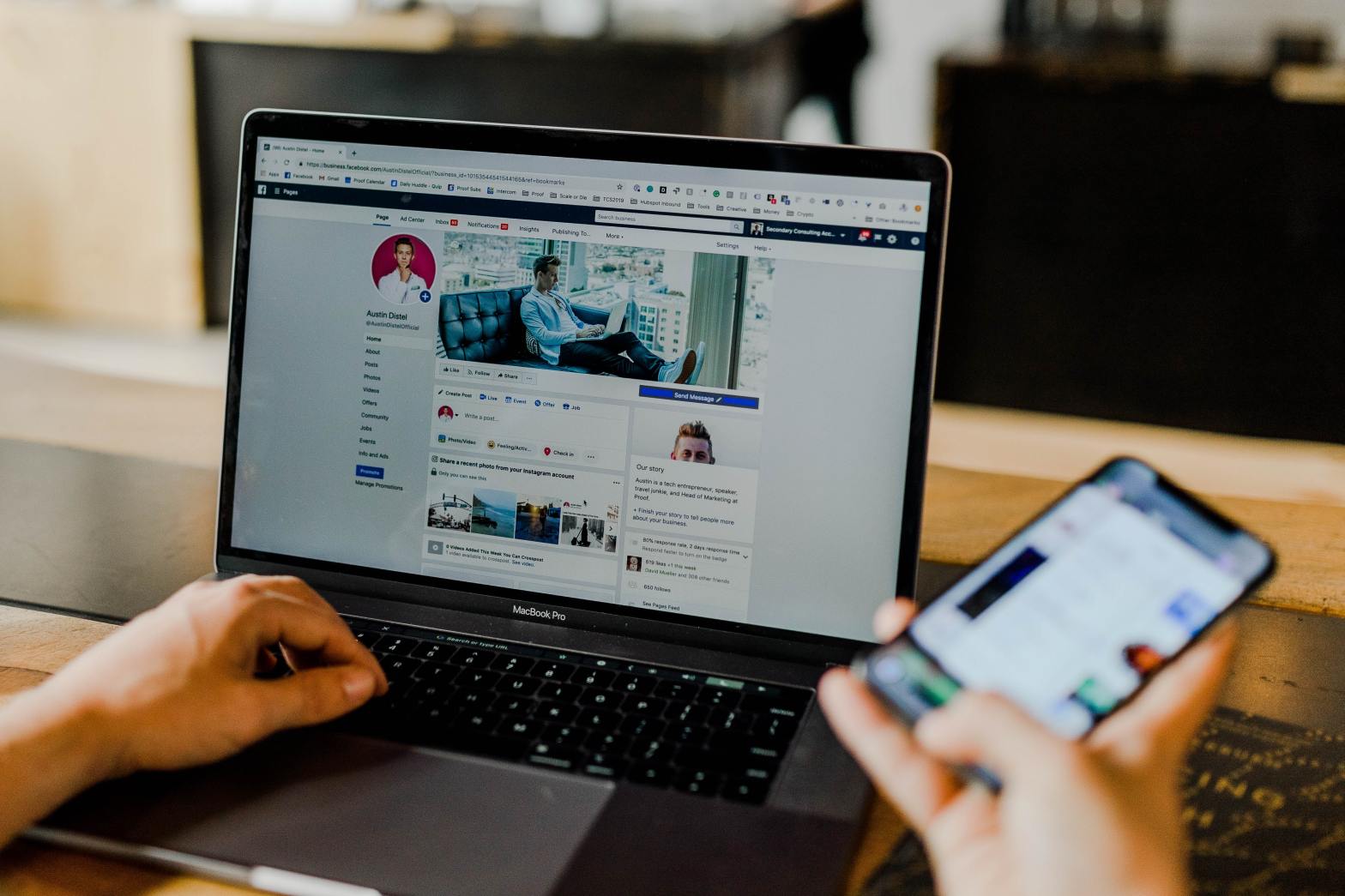
The sunlight wakes me up on a Saturday morning. I reach for my phone to check my notifications as I roll out of bed. While brushing my teeth, I play a funny video to avoid wasting those precious few minutes. Scrolling through LinkedIn as I drink water, I read advice on making our mornings productive which motivates me to read a few pages of a book and another article online. By now my stomach is grumbling, so I head to the kitchen to make breakfast. I’m about to play another video while the pan heats up, when it hits me.
It’s just been 30 minutes since I woke up and I’ve already stuffed my brain with texts, email, news, LinkedIn posts, few pages of a book, and an article.
Did I really need so much information or entertainment before I began the day? What made me constantly look for something to engage my mind?
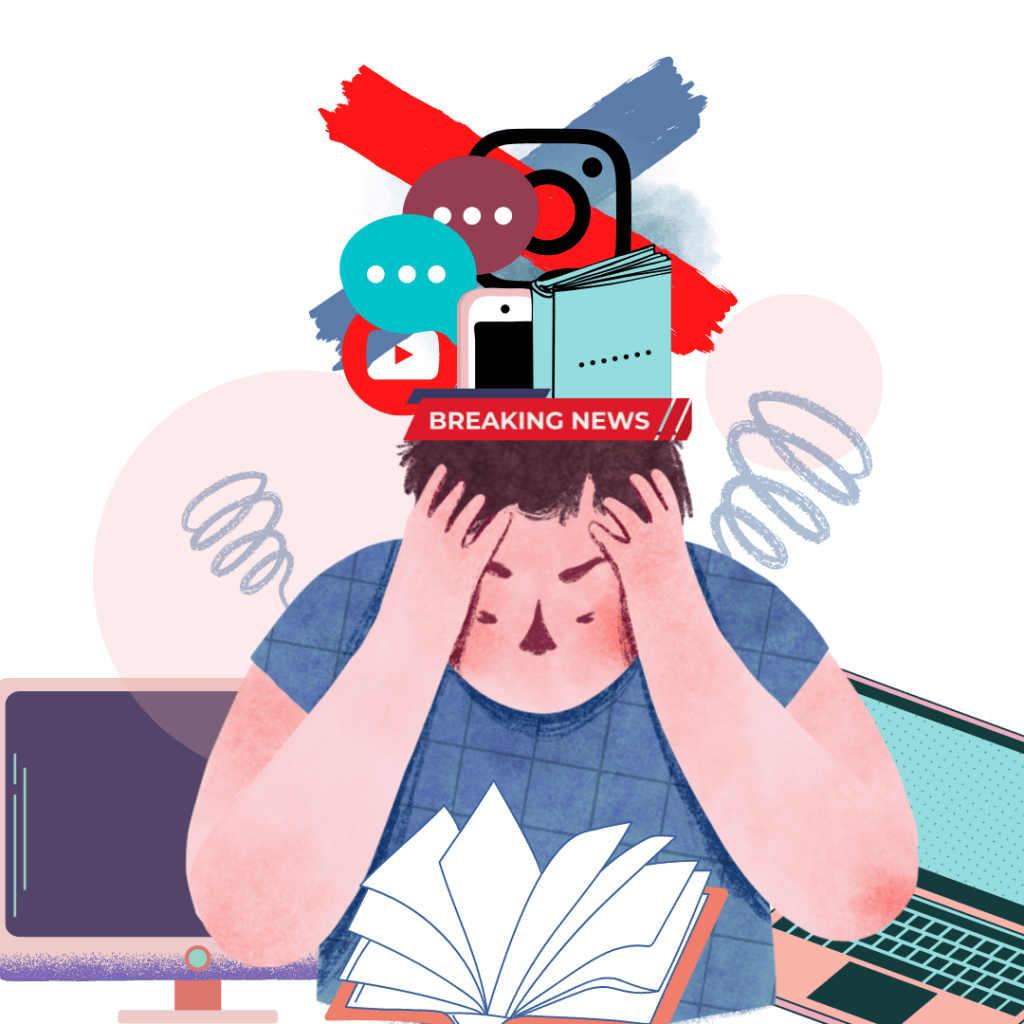
I started looking at the research to answer this question and found some reasons:
1. Our brains have become used to being overstimulated, so a single moment without something interesting to occupy the space is boring.
2. Our inherent ‘novelty bias’ is a reward mechanism that makes us seek new things to engage us.
3. Social media apps are designed to be addictive by eliciting dopamine, “the feel-good” chemical to keep us coming back.
4. This one is a no-brainer. Our smartphones have become a one-stop shop for news, shopping, entertainment, messaging, browsing, social networking, taking notes, tracking our exercise, and more. So there’s always a reason to check it.
The problem is this: if you focus on everything, you focus on nothing.
If you’re in a restaurant with a friend checking your “social” media or if you’re talking on the phone while texting someone else, you ironically miss out on living your real life because of your FOMO.
Overloading your mind can also make it less likely to learn anything worth remembering. Maybe you saw this post scrolling through LinkedIn after reading about a hiring story, a startup story, a heartbreaking story, opinions based on news, news based on opinions, and a “what I wish I knew in my 20s” list. Each piece of content pulled your mind in a different direction so you couldn’t reflect on anything useful.
It takes time for your mental gears to switch between tasks. Don’t you find yourself mulling over a story hours after watching it on TV? Your mind is full. And the contents can overflow into productive time.
But how do you stop this onslaught of information?
You just need to give your brain a little break from your phone.
Mindfulness means being fully present in the moment. It is giving your brain the space to become aware of your thoughts and feelings without fully engaging in them. Mindfulness can reduce stress and can even prevent depression. It can help you come up with new ideas, obtain better insights, and get to know yourself better. While multitasking and overloading our mind with too much content makes us distracted and unproductive, practising mindfulness makes you focused and relaxed.
So what does mindfulness look like in practice?
1. Be aware of your phone usage. Every time you’re about to reach for your phone, pause and identify what’s driving the urge. If I stop to think before checking YouTube whether I expect to find anything worthwhile, the answer is usually ‘no.’ You can also use app timers that will automatically close the app after a preset time to limit the amount to content you view.
Instead, set an intention for what you want to get out of your screen time and search only related content. If you’re about to read a long post about marketing strategies when your job/interest has no relation with marketing, stop.
A study showed that keeping your phone physically out of sight and out of reach improves focus on the task at hand. In the time it takes to reach for your phone, question your motivation to check it.
2. Customize usage of social media to your benefit. In the book ‘You are what you click’, the author, Brian Primack, suggests a systematic way to decide how to use your apps.
- Pick one social media platform you frequently use.
- Pay attention to how you feel each time you use it. Monitor this over a week because our emotions and the content can vary everyday.
- If you feel like you generally benefited from using it or felt good about it, identify what you liked and continue doing that.
- If it made you feel worse in any way, either reduce the time you spend on it or the frequency of checking it, or be selective about who you interact with, and how you interact with them.
In this post, I share how I quit Instagram when I realized it made me feel worse. Cured of the addiction and no longer in the same phase, I now only check it once a day and only to view posts by people and pages I follow.
3. Set aside pockets of time to do nothing: Meditate, take a walk, drink water mindfully, or just lie down. Give yourself time away from your devices to process whatever is on your mind. Allowing yourself to be bored occasionally will reduce the amount of distraction your brain seeks, over time. And a break of a few minutes every couple of hours can make you more effective at work.
So, empty your full mind. And begin afresh.
References:
https://www.apa.org/topics/research/multitasking
https://appliedpsychologydegree.usc.edu/blog/to-multitask-or-not-to-multitask/
https://hbr.org/2010/12/you-cant-multi-task-so-stop-
https://hbr.org/2021/09/how-to-save-yourself-from-information-overload
https://www.psychologytoday.com/us/basics/mindfulness
https://www.journals.uchicago.edu/doi/10.1086/691462
https://deepstash.com/article/75805/how-to-get-your-brain-to-focus-chris-bailey-tedxmanchester
 Human Nature